


Person-centredness
Person-centred practice places individuals at the heart of decisions about their care, support, and wellbeing. It focuses on understanding what matters to people, recognising their strengths, respecting their choices, and working in partnership to achieve outcomes that are meaningful to them.
By taking a person-centred approach, practitioners can develop stronger relationships, support informed decision-making, and ensure that care and support are built around the needs, preferences, and goals of the individual.
What Does Person-Centred Practice Mean?
Person-centred practice is about seeing the person beyond their condition, circumstances, or service needs. It involves listening to what matters most to them and recognising that they are experts in their own lives.
This approach encourages professionals to:
- Build genuine relationships
- Listen actively and with curiosity
- Recognise individual strengths and capabilities
- Support choice, control, and independence
- Work collaboratively with people, families, and carers
- Focus on outcomes that matter to the individual
Asking "What Matters to You?"
The What Matters to You? approach encourages meaningful conversations about what is important to someone, rather than focusing solely on needs, problems, or services.
Questions might include:
- What matters most to you right now?
- What would a good day look like for you?
- What are you hoping to achieve?
- What helps you stay well and independent?
- What support would make the biggest difference to you?
These conversations help build understanding, strengthen relationships, and support more personalised care and support planning.
You can learn more through the What Matters to You Scotland website, including practical examples and resources to support person-centred conversations.
Communication and Inclusion
Effective communication is a key part of person-centred practice. Everyone communicates differently, and some people may require additional support to express their views, preferences, and experiences.
Taking time to understand an individual's preferred communication methods can help ensure they are fully involved in decisions that affect their lives.
You may find the Communication Matters guidance for supporting people who use communication aids helpful when working with individuals who have communication needs.
Talking Mats
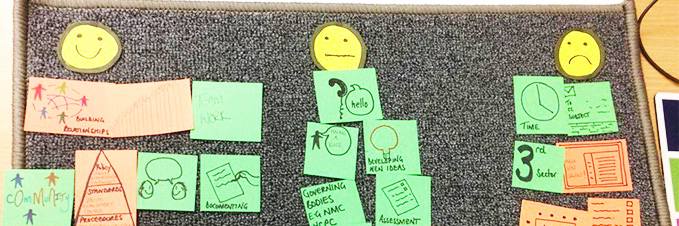
Talking Mats is an award-winning visual communication framework designed to help people express their views, preferences, and experiences.
It can be particularly helpful for individuals who experience communication difficulties and supports meaningful participation in conversations, assessments, reviews, and planning.
Find out more on our Talking Mats page or visit the Talking Mats website.
Person-Centred Care
Person-centred care is recognised as a key component of high-quality health and social care. The Health Foundation provides a useful introduction to the principles and benefits of person-centred approaches, including practical examples and evidence of impact.
You can explore their resource Person-Centred Care Made Simple for further information.
Further Learning
To develop your understanding of person-centred practice, you may also find the following resources helpful:
- What Matters to You Scotland
- Talking Mats
- Communication Matters
- The Health Foundation: Person-Centred Care Made Simple
- Healthcare Improvement Scotland resources
- Scottish Social Services Council (SSSC) resources on values and person-centred practice
Related Pages
You may also be interested in: